

Abhigyan Shakuntalam Adaptation Features Dual Ending and Innovative Storytelling
The latest entertainment stories, perspectives and exclusive updates.
Abhigyan Shakuntalam Adaptation Features Dual Ending and Innovative Storytelling
An adaptation of Kalidasa's Abhigyan Shakuntalam features a unique dual ending, exploring traditional reunion alongside an alternative conclusion of female empowerment and independence.
Abhigyan Shakuntalam
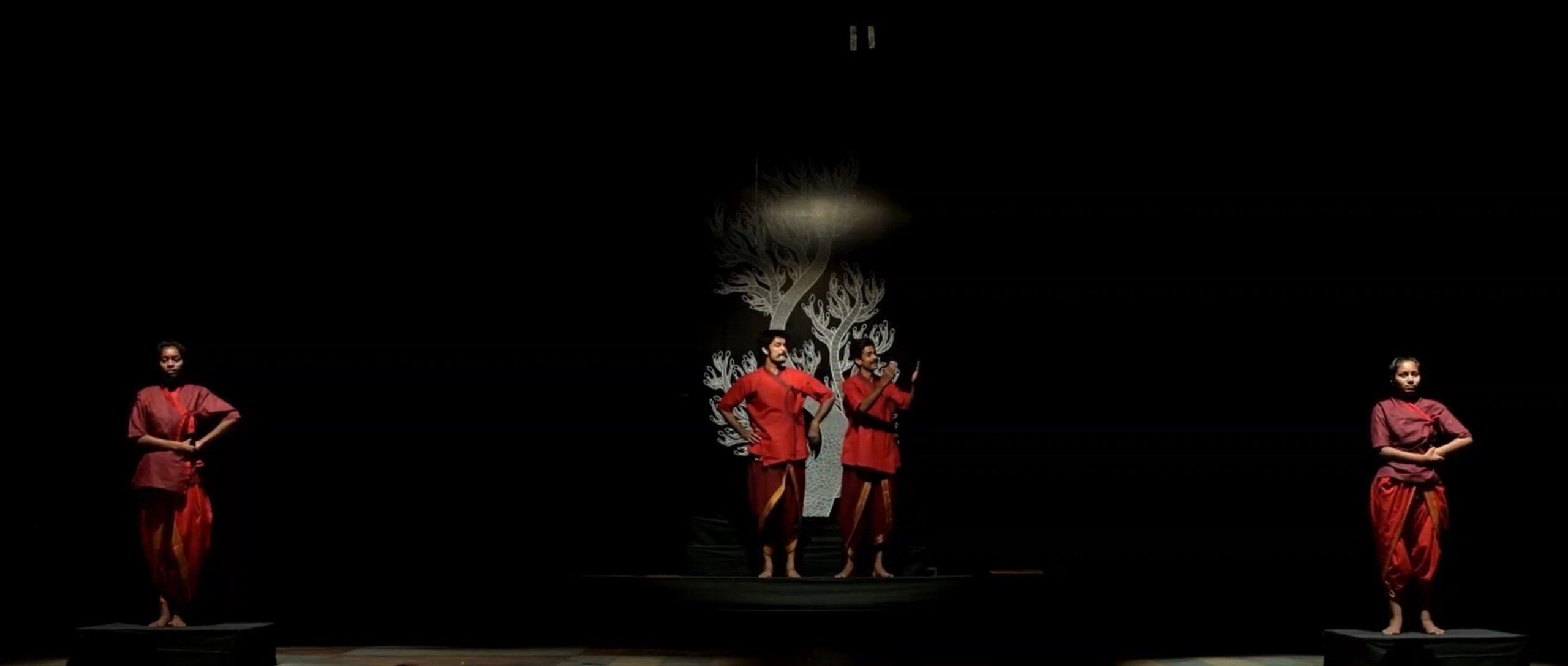
Abhigyan Shakuntalam by Kalidasa is a timeless tale of love, separation, and reunion, presented in this adaptation with a unique dual ending. The story begins in Sage Kanva’s hermitage, where King Dushyant meets and falls in love with Shakuntala. They marry in the Gandharva tradition, and Dushyant leaves for his kingdom, giving her a ring as a token of love. When Sage Durvasa curses Shakuntala—causing Dushyant to forget her unless he sees the ring—misfortune follows. On her way to the palace, she loses the ring, and Dushyant, under the curse, rejects her. Heartbroken and pregnant, Shakuntala finds refuge in Sage Maricha’s hermitage, where she gives birth to Bharata. Later, a fisherman discovers the lost ring, restoring Dushyant’s memory, and he searches for her. The traditional ending reunites the family in forgiveness and returns to the palace. However, the adaptation also presents an alternative conclusion in which Shakuntala, strengthened by suffering, chooses independence and spiritual growth over reunion, transforming the narrative into one of female empowerment and self-determination.
Adaptation
Mohan Rakesh (1925–1972) was an influential figure in modern Hindi literature and a pioneer of the ‘Nayi Kahani’ movement. His major plays include Ashadh Ka Ek Din, Lehron Ke Rajhans, and Aadhe Adhure. He also wrote novels and short stories, receiving the Sahitya Akademi Award posthumously in 1972 for Aadhe Adhure.
Director
Arpita Dhagat is a teacher, artist, and theatre professional who specialized in design and theatre techniques from the National School of Drama. She is a founder member of Astitva Art Foundation and has worked with various institutions and featured in major festivals such as Bharat Rang Mahotsav, Prithvi Theatre Festival, and Bahuroopi.
Director’s Note
This adaptation presents an emotional journey centered on Dushyant and Shakuntala, utilizing innovative storytelling. Two narrators, Nat and Nati, present scenes four and five from distinct perspectives to question gender roles. The production casts four different actors for Dushyant and Shakuntala to emphasize shifting perceptions, and blends traditional elements like classical Dhrupad music, Bharatanatyam, and Chhau dance forms.
Group
Rang Theatre Forum, established in 2008 in Sagar, Madhya Pradesh, promotes theatre and performing arts through notable productions, workshops, and collaborations with institutions like the National School of Drama.
Source: National School of Drama — Bharat Rang Mahotsav



Leave a comment
Your email address will not be published. Required fields are marked *