

Aka Nundun Brings Kashmiri Folk Narrative and Opera to the Modern Stage
The latest entertainment stories, perspectives and exclusive updates.
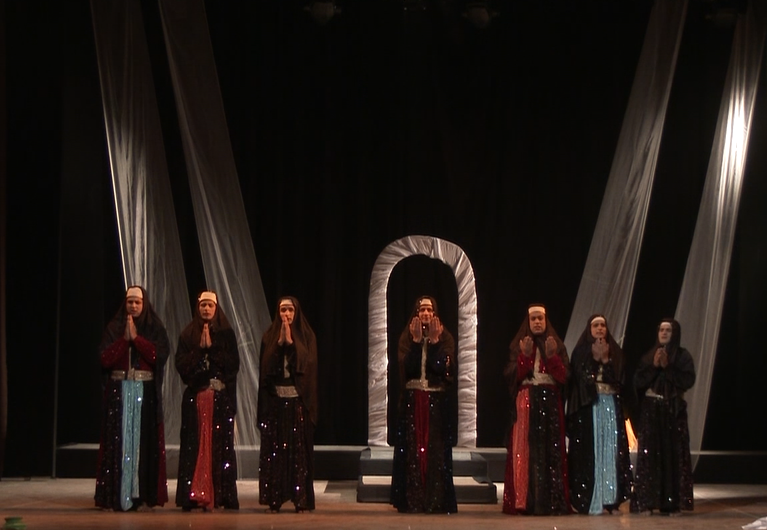
Aka Nundun Brings Kashmiri Folk Narrative and Opera to the Modern Stage
An exploration of the opera Aka Nundun, directed by Arshad Mushtaq, which adapts a legendary Kashmiri folk narrative using traditional Bhand style and modern stage techniques.
Aka Nundun: Legend and Opera
Aka Nundun is a legendary folk narrative brought to life as an opera combining Kashmiri performance art, Kashmiri folk, and Sufiyana Maqam. Performed in the traditional Bhand style, the opera transitions to the modern stage.
The story follows an ancient Kashmiri King and Queen who, after having seven daughters, long for a son. A wandering Yogi promises a child on the condition that he will return for him. A radiant son named Akanundun is born and brings prosperity. Years later, the Yogi claims him, and the King surrenders his son. The boy is sacrificed in a ritual, cooked, and offered to the Yogi. The Yogi then restores Akanundun to life, transformed and pure, symbolizing the triumph of faith over despair. For Kashmiris, the legend represents divine testing and a metaphor for their land.
Director Arshad Mushtaq
Arshad Mushtaq holds a Bachelor’s degree in English literature, a Master’s degree in Communication, was an international fellow at George Washington University, and an Artist-in-Residence at Nazareth College New York. For over two decades, he has shaped Peather Baraye’ Kasheer (Theatre for Kashmir).
His other major productions include Assi Aies te’ Aisse Assav, Lal Ded, Maag, Deda: The Rise, and Su Yee. He has published an anthology of plays titled The Soul Bridge and Other Plays and authored a forthcoming book on Kashmiri Theatre titled The Eternal Play. He serves as an Assistant Professor teaching Theatre, Communications, Film, Design Aesthetics, and Space Design at NIFT Srinagar.
Director’s Note
Director Arshad Mushtaq notes that the production reimagines folk traditions without losing their soul. Performers were trained in the Bhand Pather style under the guidance of Shah Jehan and community elders before the work was adapted for the proscenium stage using light, design, and technology to amplify its emotional and spiritual resonance.
Source: National School of Drama — Bharat Rang Mahotsav



Leave a comment
Your email address will not be published. Required fields are marked *