

Arko Euta Dronacharya Explores Power, Morality, and Leadership in Nepali Adaptation
The latest entertainment stories, perspectives and exclusive updates.
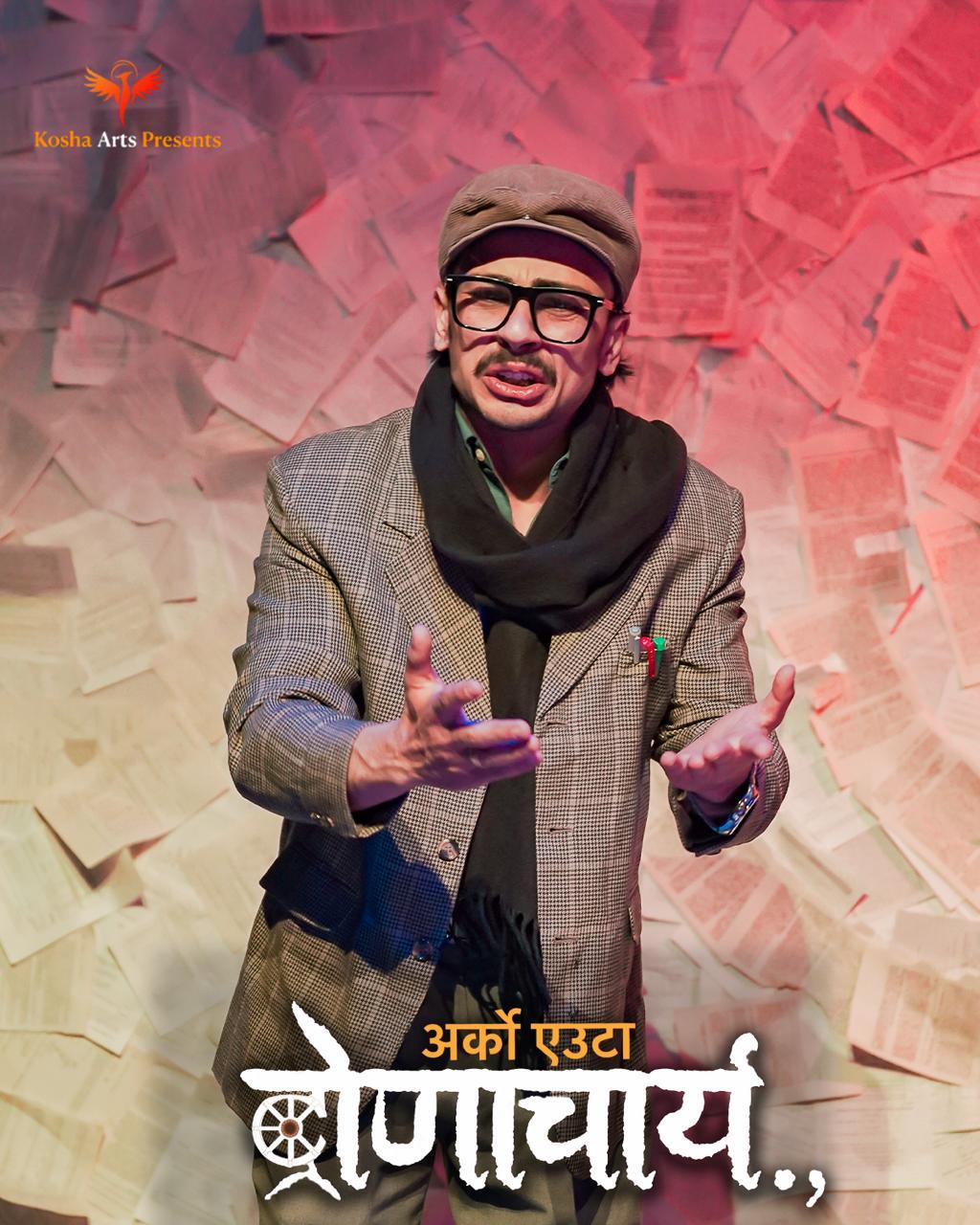
Arko Euta Dronacharya Explores Power, Morality, and Leadership in Nepali Adaptation
Arko Euta Dronacharya, a Nepali adaptation of Dr. Shanker Shesh’s play Ek Aur Dronacharya, examines power, authority, and the moral responsibilities of leaders through the lens of the Mahabharata teacher.
Arko Euta Dronacharya: A Nepali Adaptation of Ek Aur Dronacharya
Arko Euta Dronacharya is a compelling exploration of power, authority, and morality, centred around the figure of Dronacharya, the famed teacher from the Mahabharata. It is a Nepali adaptation of Dr. Shanker Shesh’s play “Ek Aur Dronacharya.” The play examines the ethical dilemmas faced by those in positions of power and authority, questioning the lines between duty, loyalty, and personal conscience.
In the context of Nepal, the play is highly relevant as the country has faced political instability and challenges related to leadership, corruption, and governance. Just like Dronacharya, Nepalese leaders are often confronted with difficult decisions that impact society. The play serves as a reflection on the moral responsibilities of leaders and the consequences of their actions, making it a timely commentary on Nepal’s political and social struggles.
Director’s Note
The director aims to make the audience think about the way teachers and leaders are viewed in everyday life—whether a school teacher, a boss, or a parent. The production explores what happens when someone in charge focuses too intensely on their own rules, traditions, or sense of duty, and how that affects those who look up to them. The staging is designed to be simple yet powerful to keep the focus on the characters and their struggles, with shifting lighting to reflect moods and conflicts between the professor and his students.
The central theme revolves around “Guruship”—what it means to be a teacher, wield influence over young minds, and shape the future. Dronacharya represents all those who hold power through knowledge and wisdom. His relationships with his disciples, particularly his most famous pupil, Chandu, are portrayed with layers of complexity, including admiration, resentment, dependence, and rebellion.
Theatre Group
Kosha Arts Theatre is a theatre group based in Kathmandu consisting of artists from diverse schools of arts. The group previously staged a play titled Munmun, inspired by the novel “Phirphire” written by writer and poet Buddhi Sagar.
Source: National School of Drama — Bharat Rang Mahotsav



Leave a comment
Your email address will not be published. Required fields are marked *