

Bitarkita Aparanha Explores Generational Conflict in Theatre Production
The latest entertainment stories, perspectives and exclusive updates.
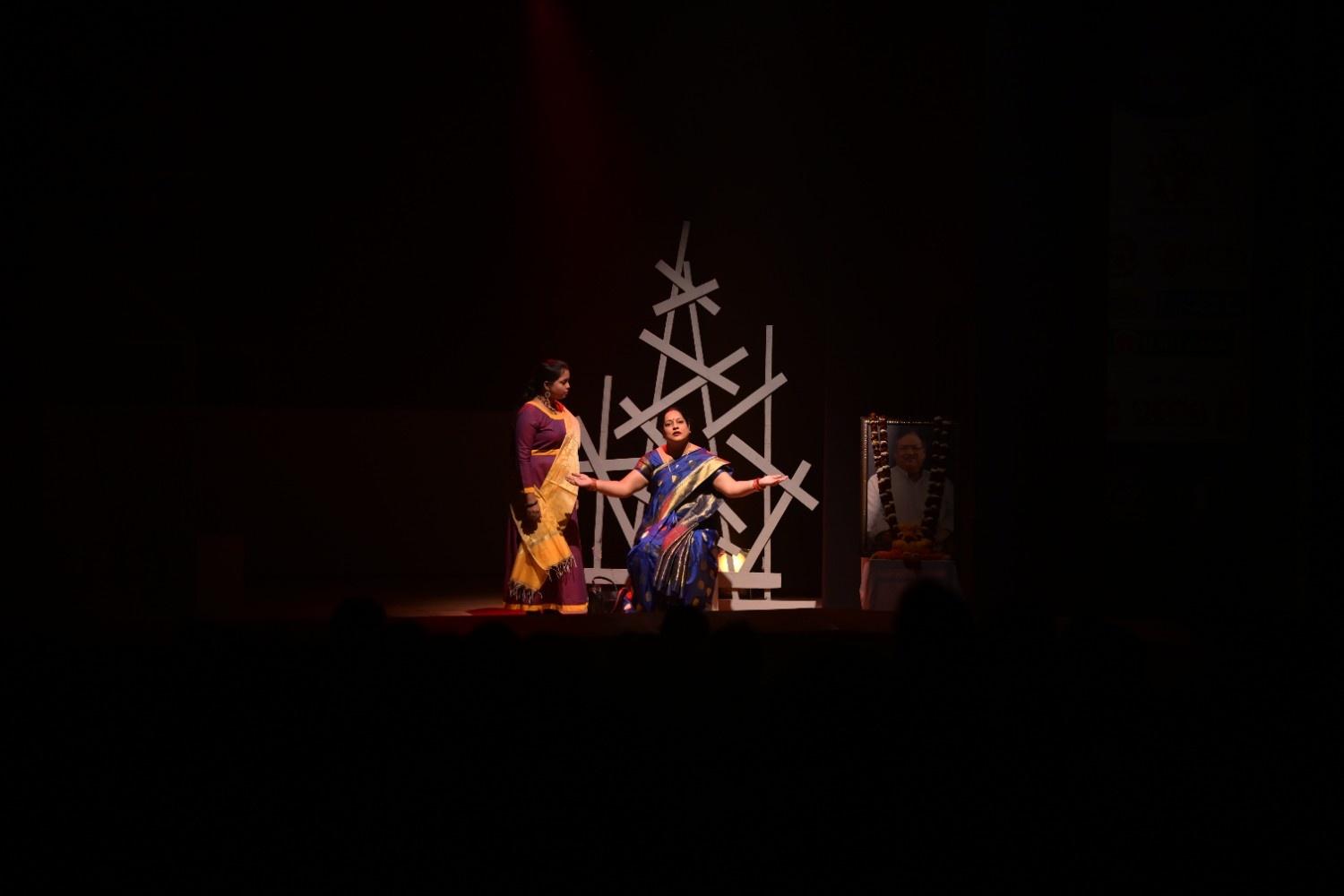
Bitarkita Aparanha Explores Generational Conflict in Theatre Production
Bitarkita Aparanha is a play written by Manoranjan Das and directed by Sriman N. Mishra, focusing on generational conflict, traditional values, and modern life.
Play Overview
Bitarkita Aparanha tells the story of three generations and the conflict between an older generation fading away and two succeeding generations. The middle generation, represented by the couple Sukumar and Saswati, is torn between old-world values and the demands of modern life, visited by their alter egos. Bulbul and Leena represent the present generation, contrasting with the faith held by the grandfather Nilaratan. The play concludes with the apparent burial of tradition.
Writer
The play was written by Manoranjan Das, an influential Indian dramatist and pioneer of modernism in Odia Literature known for experimentalism and deep socio-political awareness. His notable works include Janmamati, Jauban, Baxi Jagabandhu, Agami, Abarodha, Sabdalipi, Nandika Kesari, Kathagodha, and Aranya Fasal, which earned him the Sahitya Akademi Award in 1971.
Director
The production is directed by Sriman N. Mishra, an actor, theatre director, playwright, and poet with over 25 years of experience in theatre. His previous directorial credits include Gandhi Bhumikare, Se Marigale, Chandrama Ra Chudi, Andhara Ra Suryamukhi, Mangala Mahuri Ra Tana, Gandhinka Odisha, and Nihsanga Nayak.
Director's Note
Sriman N. Mishra notes that Bitarkita Aparanha fascinated him due to its unique dramatic structure and contemporary value, noting its continued relevance to present society despite being written in the 1980s. The staging incorporates non-realistic diagrammatic structures for stagecraft, and certain scenes were edited to avoid monotony.
Group
The cultural organization Canmass, based in Odisha, promotes art, literature, and drama. Since 2004, the group has organized the National Theater Festival, Canfest, at Paradip, along with various theatre and literary activities, poetry reading sessions, workshops, children's theatre festivals, and the Odia Playwrights' Conference in collaboration with Sangeet Natak Akademi, New Delhi. Canmass also operates the Canmass School of Performing Arts (CASPA).
Source: National School of Drama — Bharat Rang Mahotsav



Leave a comment
Your email address will not be published. Required fields are marked *