

Heer Ranjha Play Explores 14th-Century Punjab Society and Spiritual Love
The latest entertainment stories, perspectives and exclusive updates.
Heer Ranjha Play Explores 14th-Century Punjab Society and Spiritual Love
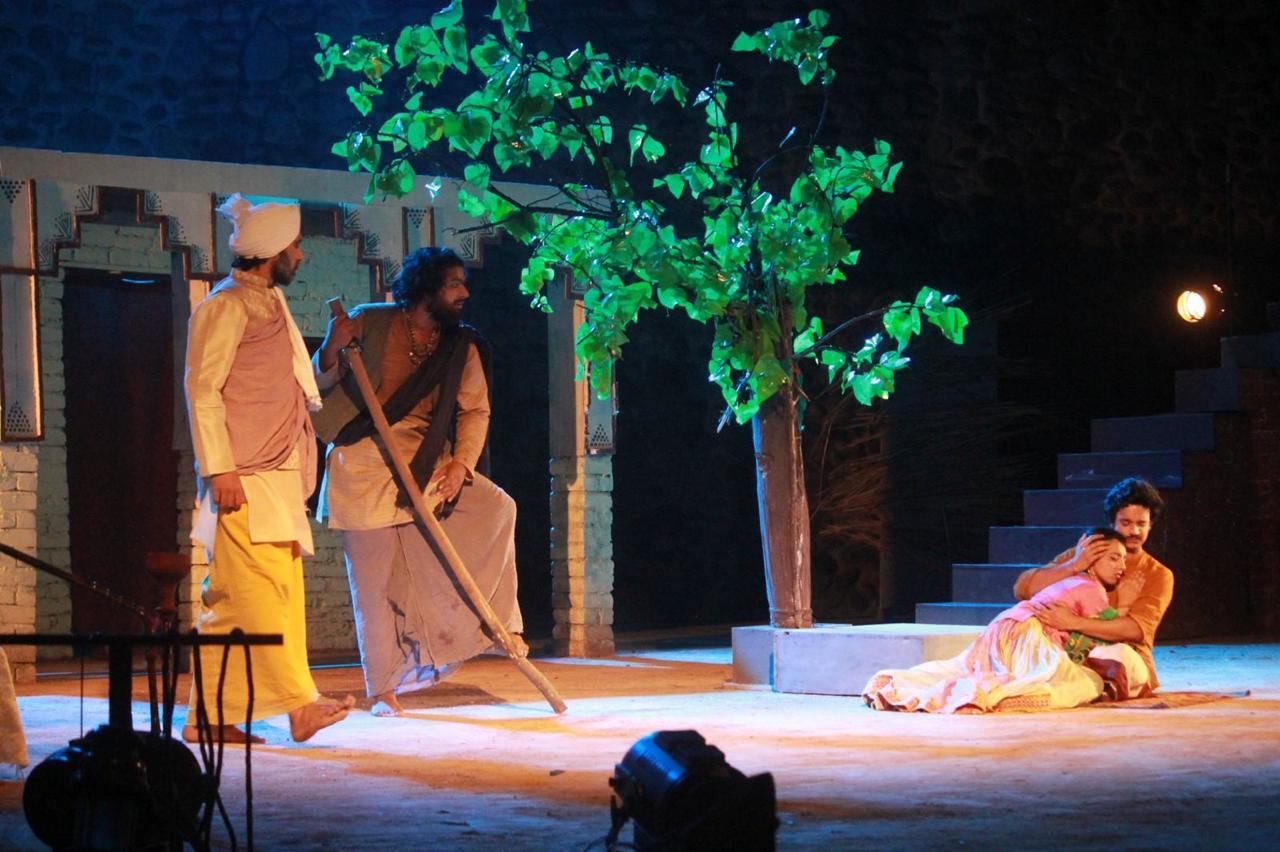
The theatrical production of Heer Ranjha, written by Ekam Maanuke and directed by Dr. Navdeep Kaur, depicts the 14th-century Punjab social system and the spiritual love of Heer and Ranjha.
Heer Ranjha pays homage to the heritage of Punjab and tells the story of lovers who challenge society's customs and castes. Set against a picture of 14th-century feudal society, the play follows young Heer and Ranjha as they face opposition from Kaidon, Heer's uncle, along with familial failures under the social system. Heer is forcibly married to Sayyed Kheda by the Qazi, an arrangement she refuses to accept. Meanwhile, Ranjha becomes a yogi and visits her in-laws' house, where Heer's sister-in-law Saidaan attempts to reunite them. Although a family decision eventually fixes their marriage, Heer dies after eating poisoned laddoos while being sent away in a doli, and Ranjha collapses upon seeing her dead. Thousands of people continue to visit and worship at their shrines.
The play was written by Ekam Maanuke, a poet, lyricist, script writer, music composer, and vocalist who has worked with Zee Punjabi and written dramas performed by students of the Indian Theatre department at Panjab University, Chandigarh.
Dr. Navdeep Kaur, Chairperson of the Department of Indian Theatre at Panjab University, Chandigarh, directed the production. In the director's note, she describes the play as a theatrical reflection inspired by Waris Shah's Heer, blending folk and live music with traditional instruments.
The production was presented by the Department of Indian Theatre at Panjab University, Chandigarh, which was established in 1972.
Source: National School of Drama — Bharat Rang Mahotsav



Leave a comment
Your email address will not be published. Required fields are marked *