

MIRIA Explores Tribal Custom and Fiction Under Deepak Ranjan Pati's Direction
The latest entertainment stories, perspectives and exclusive updates.
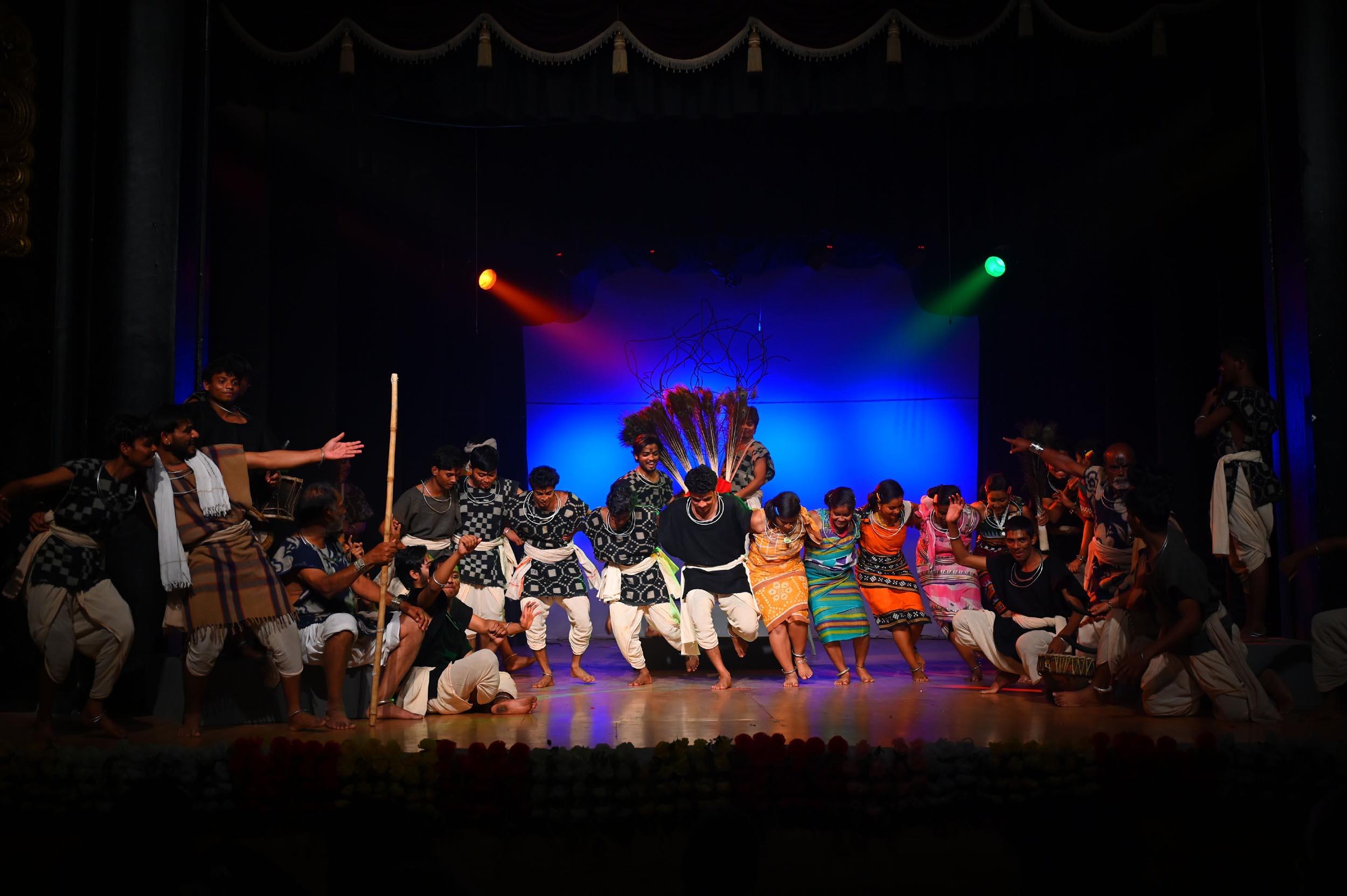
MIRIA Explores Tribal Custom and Fiction Under Deepak Ranjan Pati's Direction
An overview of the play MIRIA, directed by Deepak Ranjan Pati and produced by Abhinaya Jagruti Institute of Theatre (AJIT), focusing on a reconstructed custom of human sacrifice and a failed love story.
The play MIRIA reconstructs a modified version of the historical custom of human sacrifice observed by tribal shamanistic cultures, set in an imaginary place and depicting a failed love story. Because these practices are no longer followed, the depiction is presented as fiction.
Director
Deepak Ranjan Pati has extensive experience in stage, film, and digital performances. His directorial credits include Saba Bahakamane, Choro, NH-316, and Ekka. As a leading actor, he has performed in 64 plays, primarily under the direction of Ajit Das, in productions such as Mamu, Sasti, Sesha Pahacha, Apabad, Jeevan Mrtyu, Sadgati, Chukti, Jayadev Gitagobindom, Rebati, and Chhamana Athaguntha. His cinematic work includes Katha Deli Matha Chhuni, Chhabirani, Oye Guitar, Tri Kanya, Jwain Amara American, and Mira, alongside web series such as Gangs of Puri and Salabega.
Director’s Note
Deepak Ranjan Pati's inclination toward the subject began during a visit to the interiors of tribal Odisha, observing their traditions and dance. The script mixes various forms such as Mayurbhanj Chhau and Patharsauria dance (Danda Nrutya) alongside a modified language and costume design inspired by multiple tribes. The overall presentation is imaginary and features an underlying love story, with the depicted human sacrifice being extinct today.
Group
Abhinaya Jagruti Institute of Theatre (AJIT) was established on January 20, 2001, by theatre artists and students of Utkal Sangeet Mahavidyalya to reach the masses and celebrate the birthday of noted theatre and cine celebrity Ajit Das. The group launched its first chapter by staging the Oriya classic Anuprasa, incorporating regional folk culture into performances that connect with modern sensibilities.
Source: National School of Drama — Bharat Rang Mahotsav



Leave a comment
Your email address will not be published. Required fields are marked *